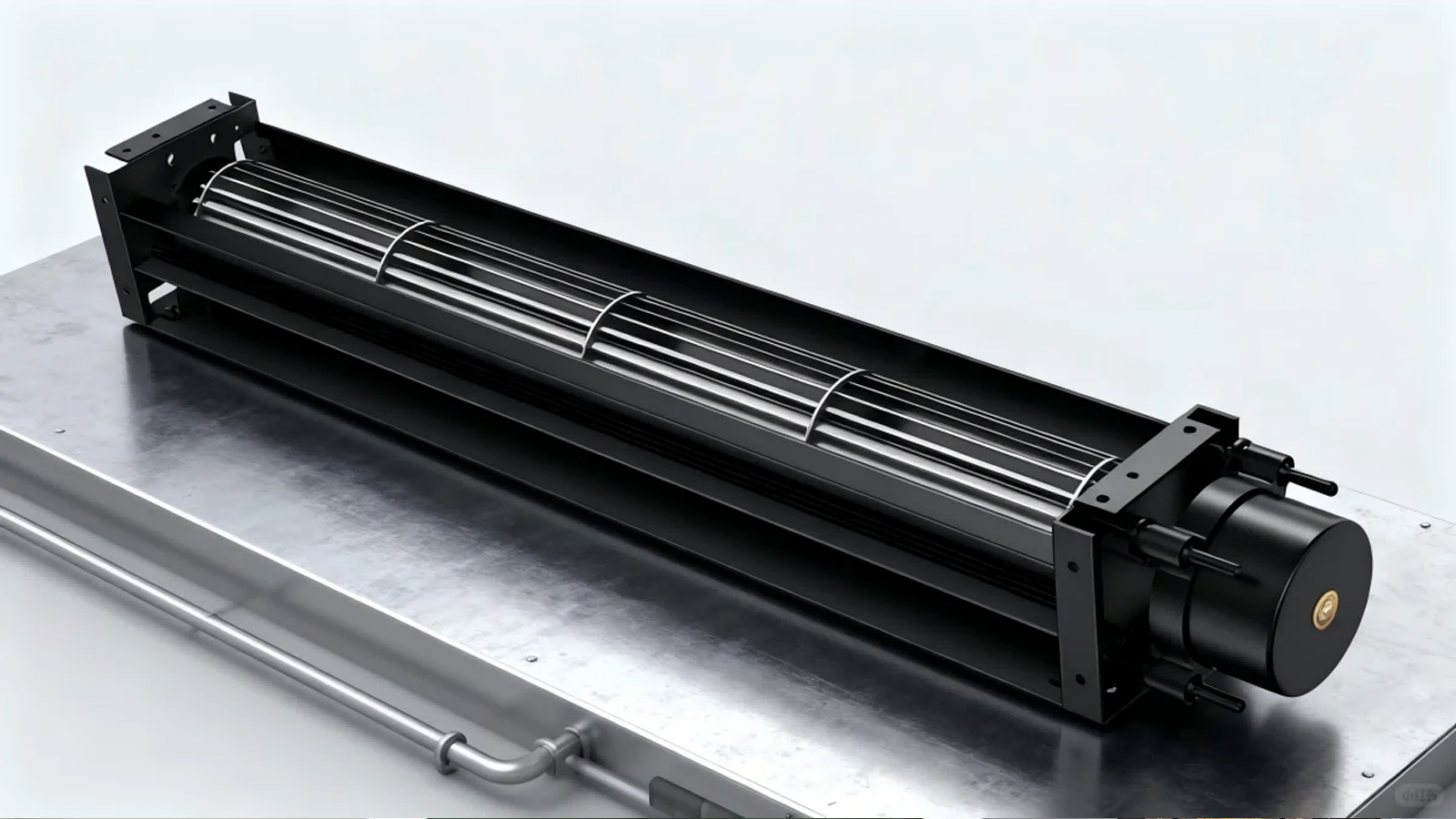
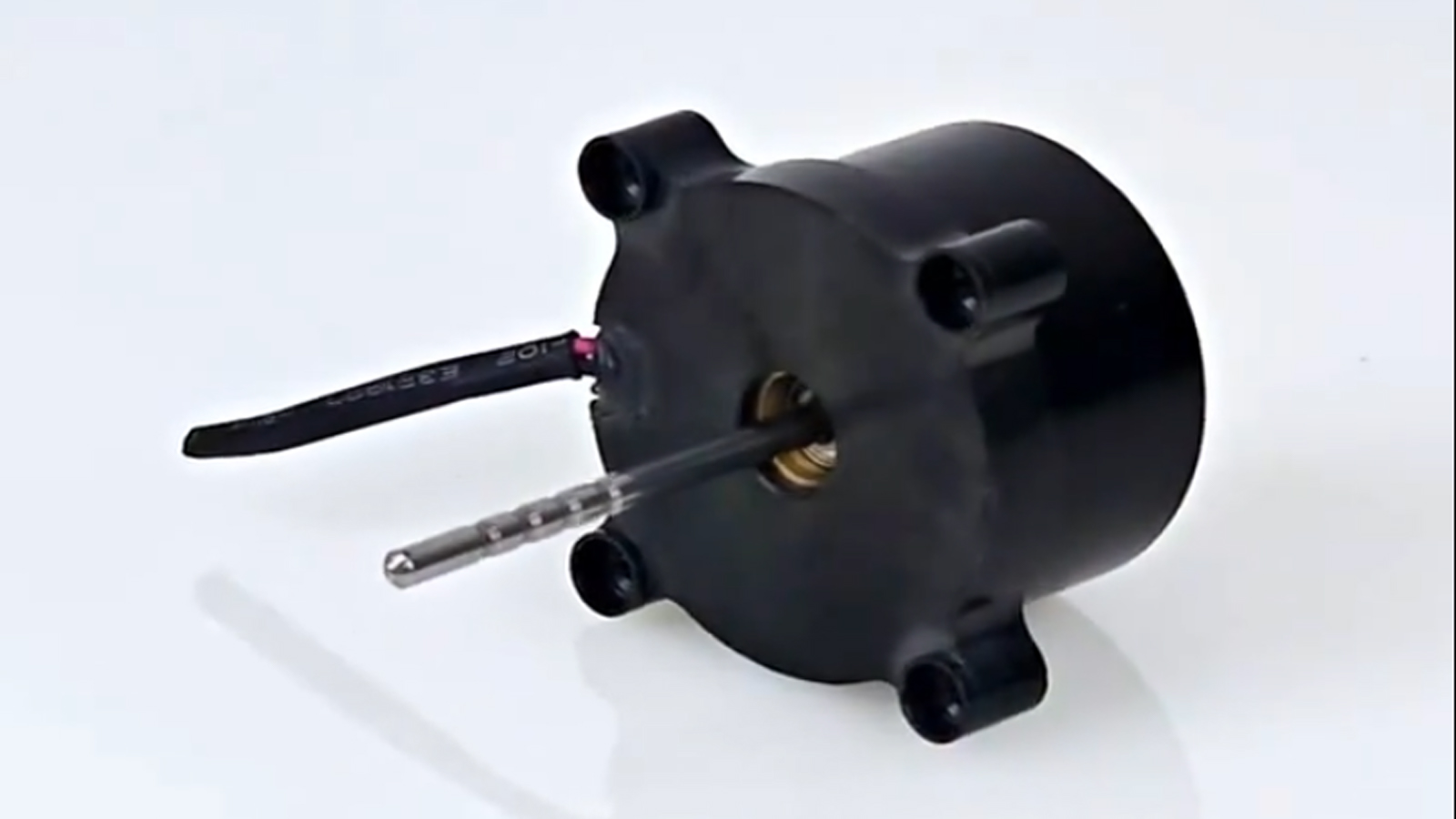
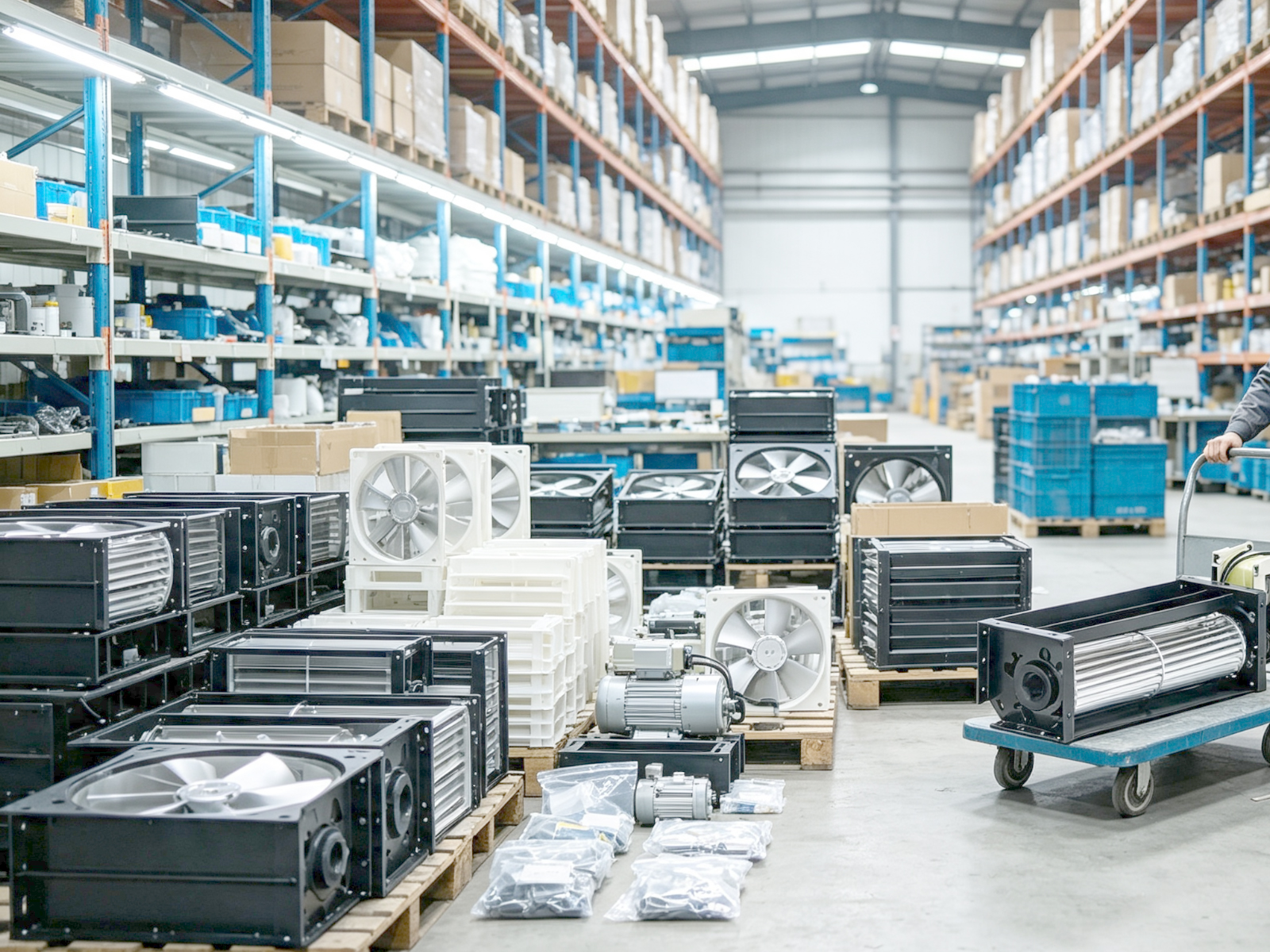
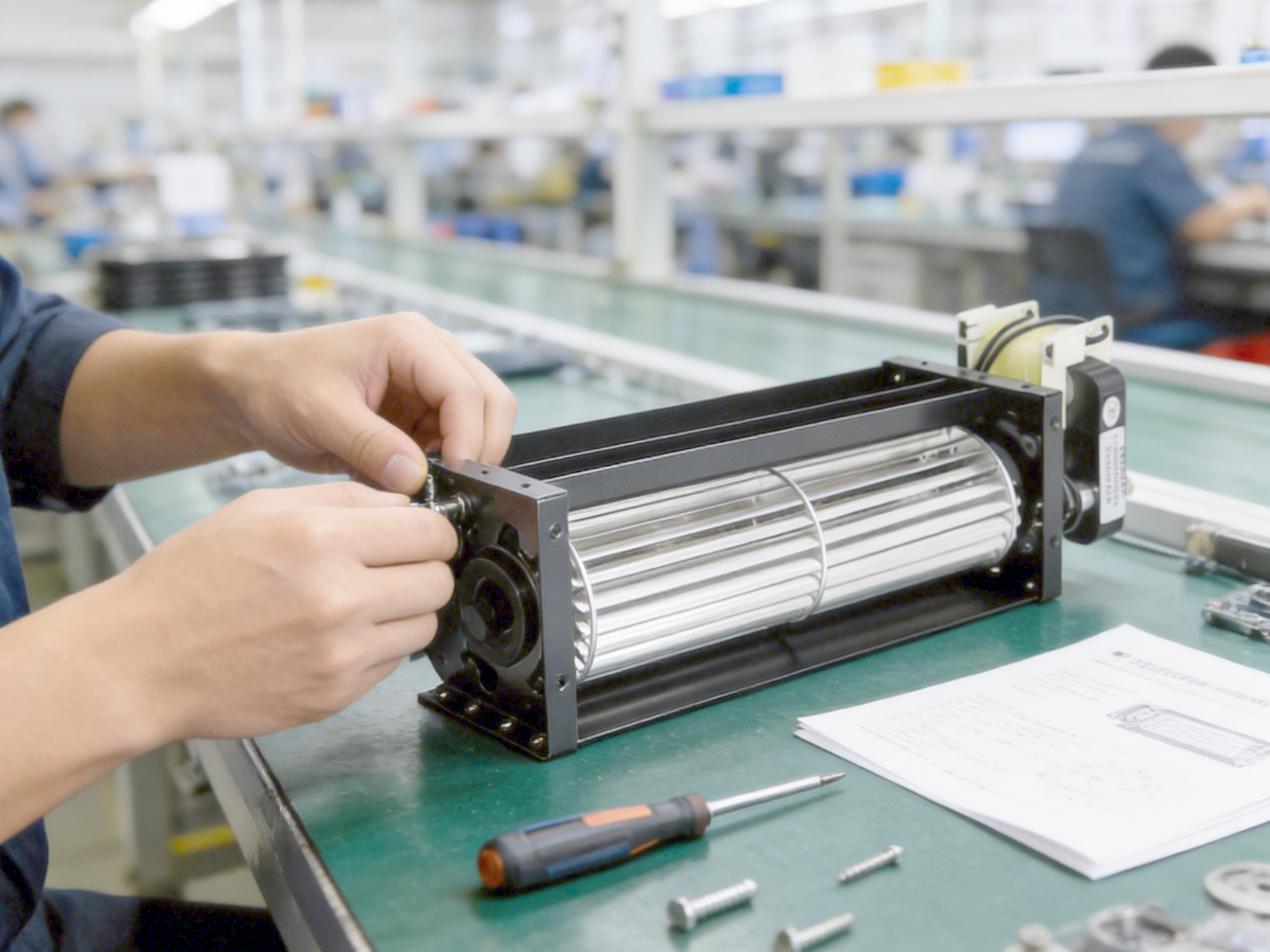
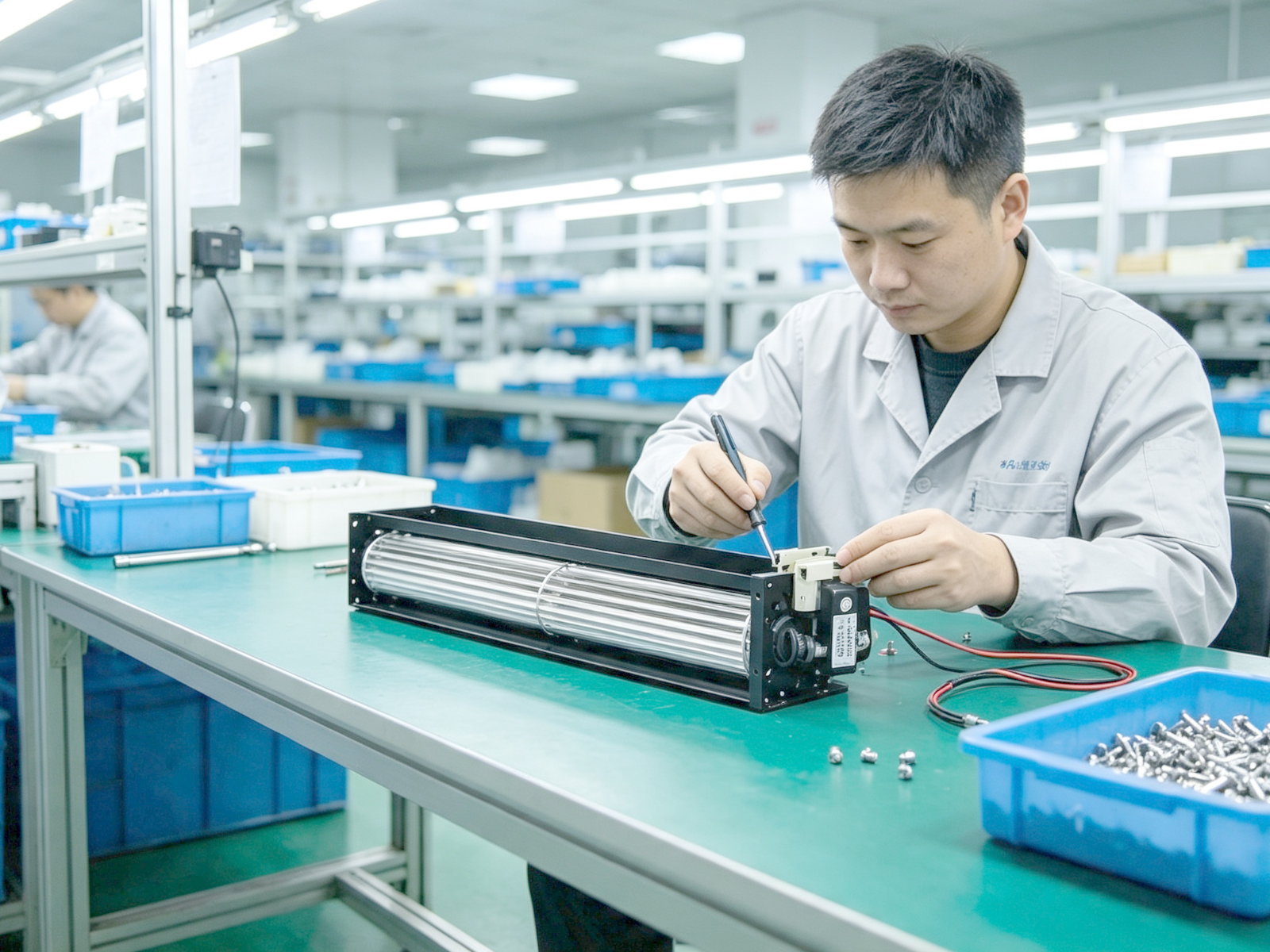
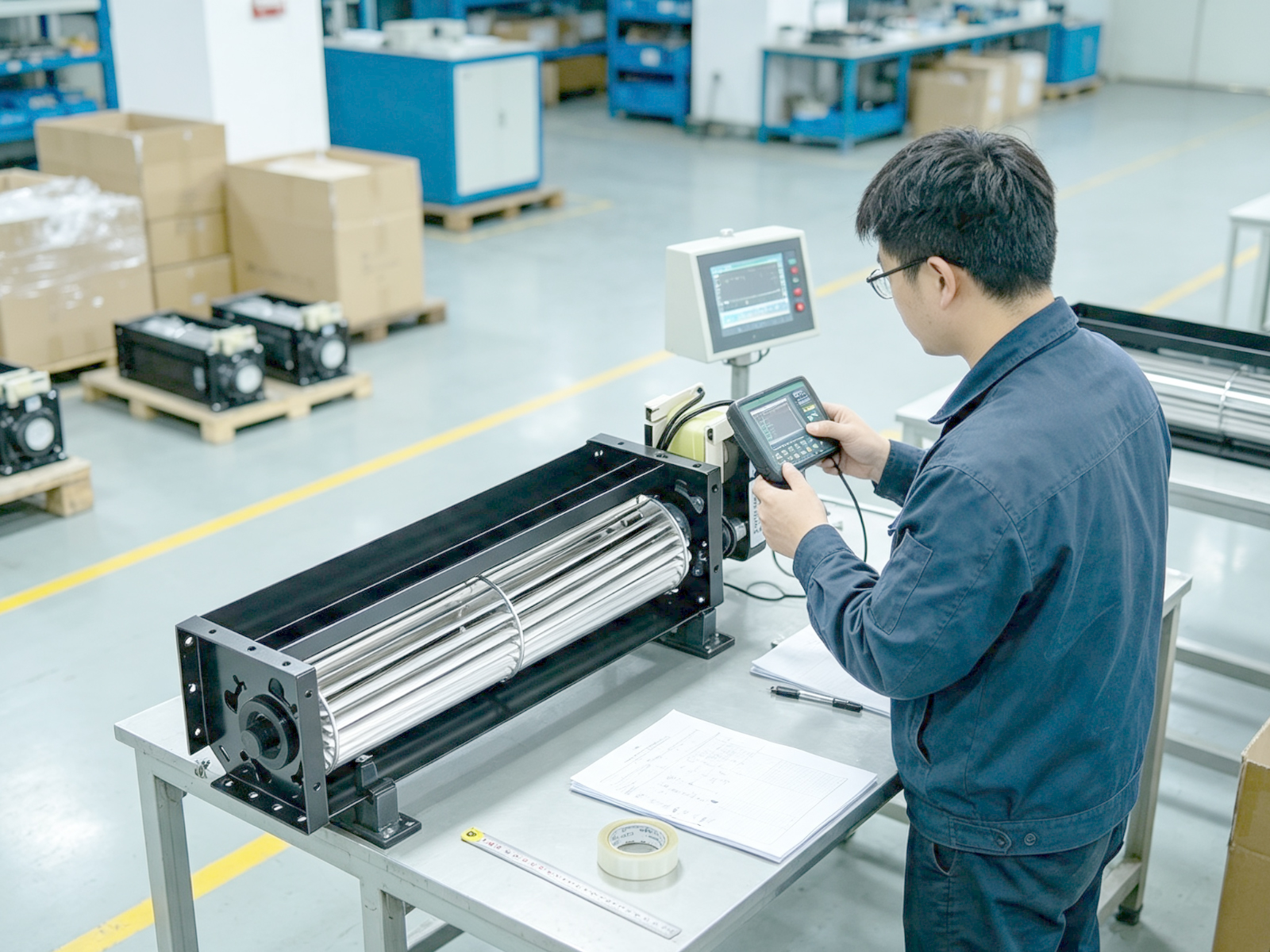
We are a lean team of fluid-dynamics engineers and motor experts. Since 2014, we have been dedicated to turning elevator-shaft ventilation requirements into quiet, long-life standardized products.

Every project follows the same rigorous process: define airflow requirements, build the impeller model, simulate operating conditions, then document everything the workshop needs. No shortcuts, no abnormal noise or vibration on site, and no step is treated casually — ensuring first-time-right installation on site.
Clearly define airflow, static pressure, noise, installation space, and environmental conditions.
Develop multiple concepts and score them for airflow, noise, cost, and complexity. Evaluate overall performance achievement, process complexity, and manufacturing cost, then advance the best option.
Build parametric 3D models with complete dimensional tolerances. Every design change undergoes a manufacturability review to ensure the parts are easy to produce.
CFD flow-field, static, modal, and fatigue studies validate airflow, noise, and service life before manufacturing.
Drawings, STEP files, BOMs, and inspection plans — everything the workshop and quality-assurance team need.
V-01If it is not validated by wind-tunnel testing and noise measurement, it is not done.
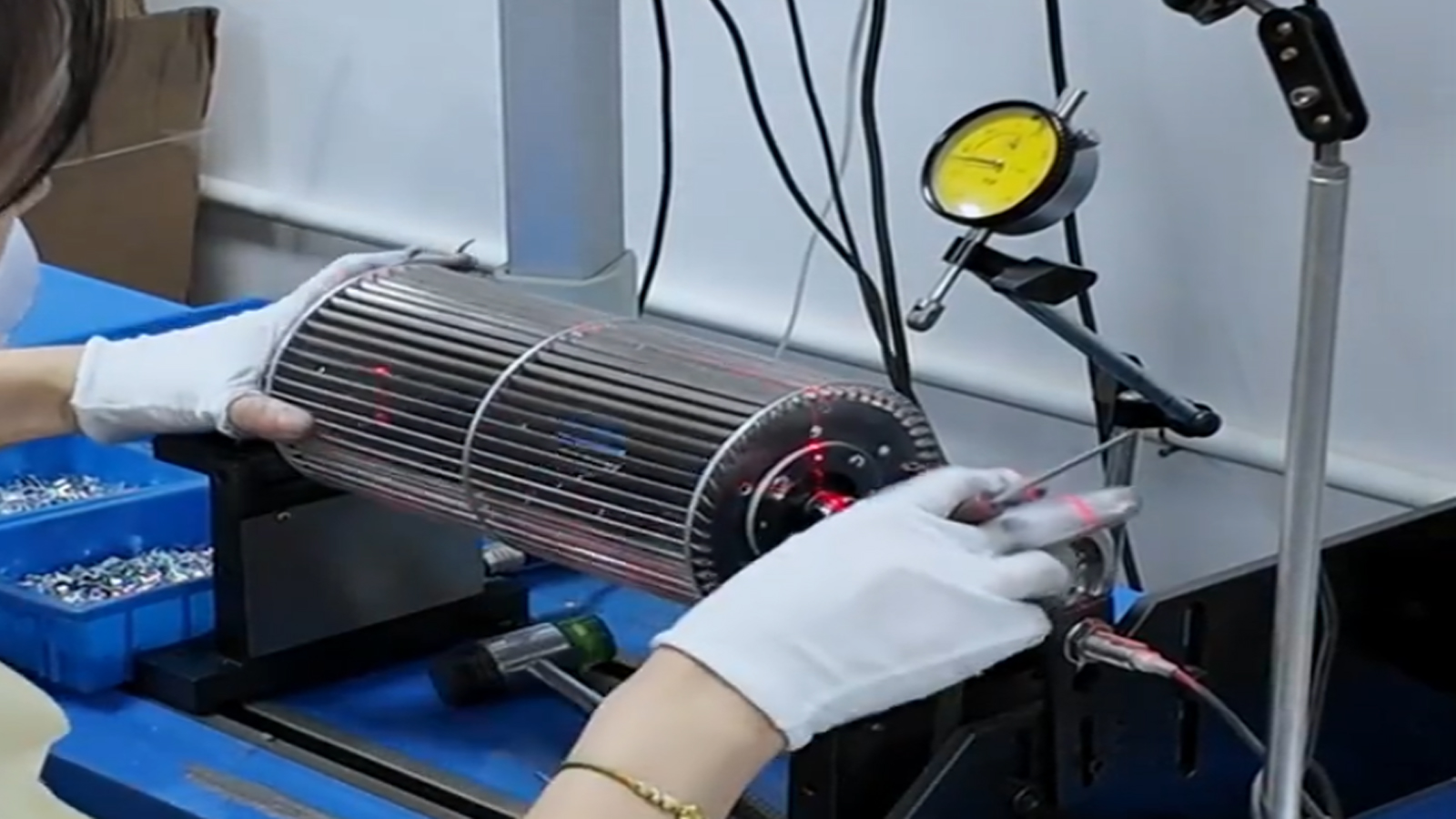
V-02If the factory cannot achieve qualified dynamic balancing, even the most perfect curve on the screen is meaningless.
V-03Set realistic delivery times, and communicate and execute early.


Whether it's a one-off rig or an ongoing engineering partner — let's talk.